High-Performance Building Facades in Hawaii: Engineering for Resilience and Aesthetics in 2026
Designing a building in Hawaii often feels like a constant negotiation between the view and the elements. A successful facade must treat environmental resilience as an aesthetic opportunity rather than a technical constraint. You already know that in locations like Lihue and Kailua-Kona, salt-air co...
Designing a building in Hawaii often feels like a constant negotiation between the view and the elements. A successful facade must treat environmental resilience as an aesthetic opportunity rather than a technical constraint. You already know that in locations like Lihue and Kailua-Kona, salt-air corrosion and intense UV exposure can compromise hardware and finishes long before a building's expected lifecycle ends. Meeting the strict 2026 hurricane-rated building codes adds another layer of complexity to these high-stakes projects.
This article provides the technical framework you need to specify the coastal high performance windows and doors Hawaii demands for long-term durability. You'll learn how to balance massive glass spans with solar heat gain requirements and reduce HVAC loads through precision glazing. We will explore cutting-edge high-performance systems and discuss how Hawaii Architectural Sales can help you secure reliable technical support across all islands. By the end, you'll have a clear path to delivering architectural facade systems that are as resilient as they are beautiful.
Key Takeaways
• Quantify the risks of salt-air corrosion and UV degradation to select finishes and sealants that withstand Hawaii’s extreme coastal conditions.
• Specify coastal high performance windows and doors Hawaii building codes demand to ensure 2026 hurricane-rated compliance without sacrificing large architectural glass spans.
• Optimize building energy efficiency by utilizing advanced glazing and translucent daylighting systems that reduce solar heat gain and HVAC requirements.
• Account for significant thermal expansion in tropical environments by integrating engineered expansion joints that maintain the structural integrity of the building envelope.
• Simplify project logistics in Lihue and Kailua-Kona by partnering with a specialized architectural representative to manage the technical bridge from manufacturing to site delivery.
The Environmental Imperative for High-Performance Facades in Hawaii
Hawaii's geography creates a unique set of stressors that standard building materials simply aren't equipped to handle. The combination of high-salinity air and volcanic emissions creates an acidic environment that rapidly degrades metal finishes and structural components. A robust building envelope must account for more than just aesthetics; it must function as a technical shield against these invisible threats. Specifying coastal high performance windows and doors Hawaii requires a deep understanding of how these elements interact at a molecular level. UV radiation in the tropics is exceptionally high, leading to the rapid breakdown of standard organic sealants and finishes that might last decades in more temperate climates.
Standard metal finishes often fail within years because of localized pressure differentials and salt-spray ingress. Trade winds push salt-laden moisture into every crevice, creating a relentless corrosive cycle that eats away at internal hardware. This environment often leads to interstitial condensation. When moisture is trapped within the wall assembly, it causes hidden structural decay that is difficult to detect until it's too late. Engineering for these conditions means moving beyond basic static load requirements. We must address the constant cycle of humidity and pressure that defines island life. The 2026 codes reflect this need for increased resilience, pushing designers to prioritize systems that can withstand both daily wear and extreme weather events.
Corrosion Resistance in Coastal Zones
To prevent premature failure, architects must specify AAMA 2605 coatings for all high-performance aluminum. These premium fluoropolymer finishes offer the highest level of resistance to salt-spray and UV degradation. In high-exposure areas like Lihue and Kailua-Kona, 316-grade stainless steel hardware isn't a luxury; it's the only viable option for long-term operation. Common failure points often occur at the fasteners and sub-structures where dissimilar metals meet. This leads to galvanic corrosion that compromises the entire facade long before the glazing itself fails. High-performance systems must account for these micro-interactions to ensure that coastal high performance windows and doors Hawaii projects remain functional for decades.
Managing Solar Heat Gain in Tropical Latitudes
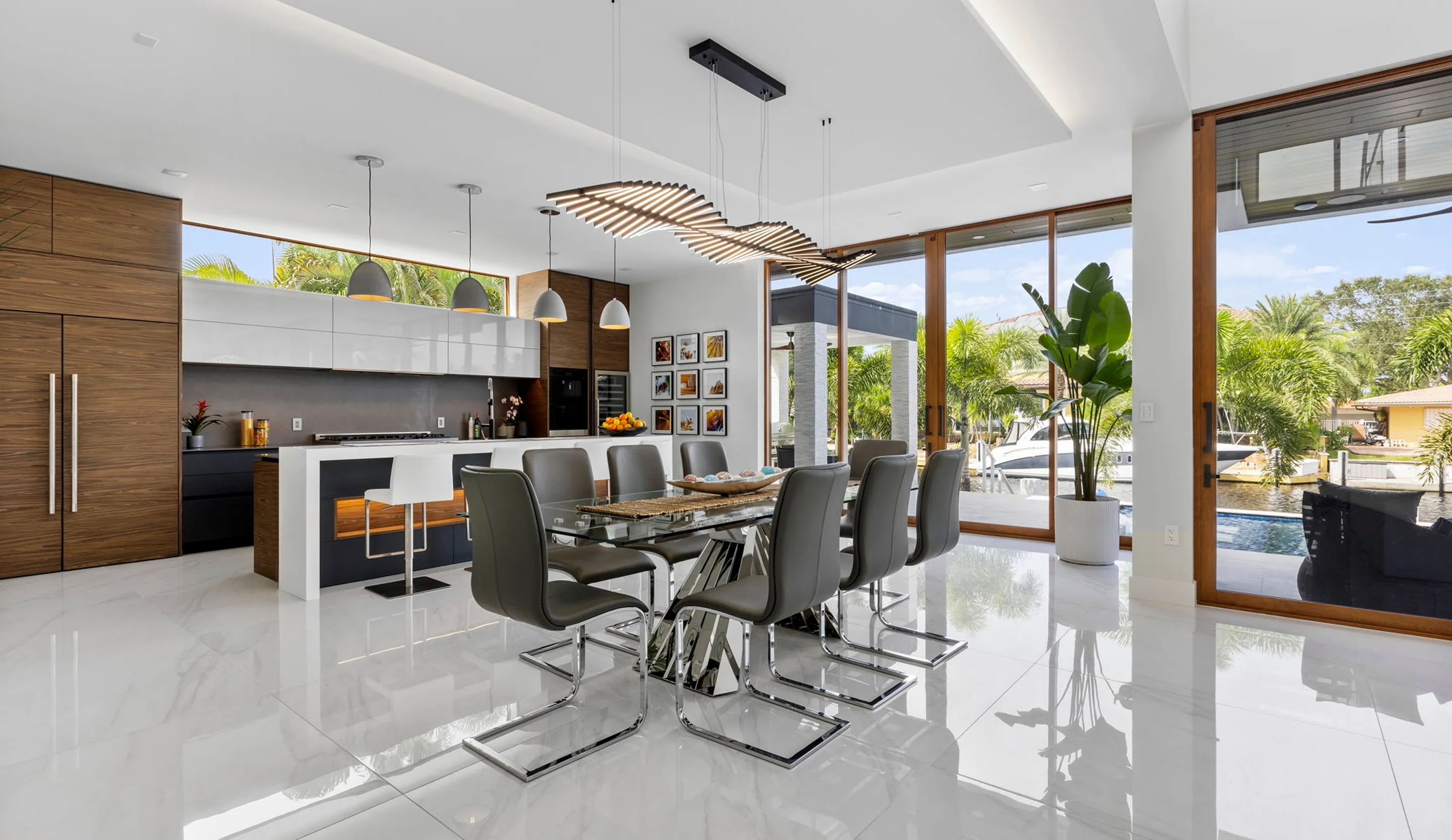
Balancing natural light with thermal control is a primary challenge in the islands. High-performance glazing allows for a high Visible Light Transmittance (VLT) while maintaining a low Solar Heat Gain Coefficient (SHGC). This balance is critical for reducing commercial HVAC demand, which represents a massive portion of building operational costs in Hawaii. Strategic shading and the evolution of the tropical facade allow for the large glass spans clients desire without overwhelming the building's cooling systems. By specifying systems like ES Prestige or Euro-Wall, architects can achieve these performance metrics while maintaining a sophisticated modern aesthetic that connects the interior to the landscape.
Glazing Technologies for High-Performance Building Envelopes
High-performance glazing represents a category of specialized glass systems engineered to optimize light transmission while resisting extreme environmental pressures. High-performance glazing is defined by its ability to achieve a low U-value and a low Solar Heat Gain Coefficient (SHGC) while maintaining high visible light transmittance. For Hawaii's specific climate, these metrics determine how effectively a facade manages solar radiation without sacrificing the views that define island architecture. Specifying coastal high performance windows and doors Hawaii requires a balance between these thermal properties and the structural demands of the Pacific region.
For architects looking to integrate high-end decorative elements such as stone glass panels or custom laminated glass into these high-performance environments, check out FGD Glass Solutions.
The ES Prestige and ES Elite window lines set the benchmark for these performance standards. These systems utilize advanced thermal break technology to prevent heat transfer in non-insulated tropical zones. Even though Hawaii doesn't experience freezing temperatures, the intense sun can heat aluminum frames to temperatures that significantly increase interior cooling loads. Thermal breaks interrupt this heat path, ensuring the interior remains comfortable. In high-density Honolulu corridors, these systems also provide superior acoustic performance, mitigating urban noise to create peaceful interior environments. This multi-functional approach is what separates high-performance systems from standard commercial glazing.
Aluminum vs. uPVC in Tropical Climates
Selecting the right frame material involves balancing structural requirements with long-term maintenance cycles. ES uPVC windows offer exceptional durability against salt-air oxidation, making them a preferred choice for residential and light commercial projects where corrosion is a primary concern. Unlike metal, uPVC is naturally resistant to the pitting and chalking common in coastal environments. For large-span openings that require maximum structural integrity, aluminum frames remain the industry standard. While aluminum requires high-performance coatings to resist the elements, it allows for the massive glass spans that characterize modern Hawaii design. Developers must weigh the lower maintenance of uPVC against the architectural flexibility of aluminum when planning their maintenance cycles.
Impact-Rated Glass and Safety Standards
Resilience in the face of tropical storms requires more than just thick glass. Laminated glass technologies are essential for high-performance hurricane protection. These systems use a tough interlayer that holds glass fragments together upon impact, maintaining the building's structural integrity even if the glass is compromised. This post-breakage performance is a critical safety feature in coastal zones, preventing wind-borne debris from entering the structure and causing internal pressure spikes. Specifying hurricane rated windows in Hawaii is a mandatory step for code compliance in wind-borne debris regions. If you need assistance determining which glazing system fits your project's specific wind load requirements, you can consult with our technical team for localized guidance.
Integrating Daylighting and Ventilation for Energy Efficiency
High-performance facades in Hawaii must do more than provide a view; they must actively manage energy loads. While clear glazing is essential, integrating translucent systems and louvers provides a more comprehensive approach to efficiency. Daylight harvesting allows for a significant reduction in artificial lighting, which remains one of the largest energy consumers in commercial buildings. Natural light shouldn't come with a heat penalty. By diffusing sunlight through specialized systems, architects can eliminate the hot spots and glare that typically plague large glazed areas. This strategy is vital when specifying coastal high performance windows and doors Hawaii projects require for long-term sustainability.
Ventilation is the other critical component of the efficiency equation. In tropical climates, relying solely on mechanical cooling is expensive and often unnecessary during certain times of the day. AWV architectural louvers provide a method for natural ventilation that doesn't compromise the building's protection against storms. These systems allow for constant airflow, reducing the accumulation of heat within the building envelope. When used in conjunction with the high-performance glazing discussed in previous sections, these elements create a balanced system that responds to environmental changes in real time. This integrated approach ensures that the building remains comfortable while minimizing its carbon footprint.
Translucent Wall and Roof Systems
Kalwall translucent systems represent a significant advancement in daylighting technology. These panels offer structural integrity while maintaining thermal performance that rivals many insulated wall assemblies. By diffusing natural light deep into a floor plate, Kalwall eliminates the need for perimeter-only lighting. For high-end residential and commercial aesthetics, Super Sky skylights provide a sophisticated way to introduce light from above. Optimizing architectural daylighting solutions in Honolulu is a strategic move for projects seeking LEED certification. These systems allow for massive light intake without the associated solar heat gain of standard clear glass.
Architectural Louvers and Airflow
AWV louver systems are engineered to balance high-volume airflow with robust storm protection. Modern facade designs often incorporate these louvers as a seamless aesthetic element rather than a hidden mechanical necessity. They are particularly effective in high-performance building envelopes where pressure equalization is required. In industrial applications, these louvers provide the necessary ventilation for mechanical rooms while resisting the salt-air corrosion that destroys standard metal vents. By matching the finish of the louvers to the coastal high performance windows and doors Hawaii architects already specify, a cohesive and durable exterior is achieved.
To complement these resilient exteriors, integrating custom low-voltage architectural lighting from LED Artistry ensures that the building's aesthetic features are elegantly showcased even after sunset.
Engineering for Movement: Expansion Joints and Structural Integrity
High-performance facades must accommodate significant structural movement to maintain their integrity over time. In Hawaii, the combination of intense tropical sun and variable humidity levels causes constant thermal expansion and contraction of building materials. This movement is particularly relevant when integrating the coastal high performance windows and doors Hawaii architects use to create expansive glass spans. Without proper engineering for movement, these large components can experience structural binding, sealant failure, or glass breakage. Balco expansion joint systems provide the necessary flexibility to manage these stresses while maintaining a refined architectural finish.
The thermal expansion of metal and glass in the Pacific is more aggressive than in many mainland climates. Aluminum frames and large-format glazing units can expand significantly during peak afternoon sun. This physical shift requires precise joint width calculations and the selection of covers that can cycle repeatedly without fatigue. Beyond thermal movement, seismic expansion joint covers are essential for Hawaii's unique geological context. These systems allow for three-way movement during a seismic event, protecting the building envelope from catastrophic failure. Integrating these joints seamlessly requires a technical bridge between the structural engineer's requirements and the architect's aesthetic vision.
Specifying Balco Systems for Large Structures
High-rise developments in Honolulu require sophisticated engineering for both horizontal and vertical movement. Balco systems are designed for durability under heavy commercial use, making them ideal for high-traffic areas where joint covers must remain flush and safe for pedestrians. Material selection is critical; joint covers in coastal zones must resist the same salt-air oxidation as the window frames. Our team provides technical support for complex joint geometries, ensuring that the expansion system follows the building's contours without creating weak points in the envelope. For detailed engineering data, request Balco technical specifications for your next large-scale project.
The Interplay of Joints and Facade Water-Tightness
Maintaining a sealed building envelope during structural movement is a primary challenge for island designers. If an expansion joint fails to remain weather-tight, moisture ingress will lead to the hidden corrosion and mold issues discussed in previous sections. Testing protocols for expansion joint weather-tightness must simulate the high-pressure wind events common in Hawaii. Maintenance and inspection of these seismic systems are also necessary to ensure that sealants and gaskets haven't degraded under intense UV exposure. A properly specified system ensures that coastal high performance windows and doors Hawaii projects remain protected even as the structure shifts and breathes throughout its lifecycle.
Sourcing and Specifying Facade Solutions in Hawaii
Sourcing materials for remote island projects requires more than a standard procurement process. Logistics and supply chain management for projects in Lihue and Kailua-Kona involve navigating complex shipping timelines and localized environmental regulations. An authorized Hawaii architectural representative serves as the essential technical bridge between mainland manufacturers and local design teams. This partnership ensures that the coastal high performance windows and doors Hawaii architects select are delivered to the site with all necessary technical documentation and localized support. We manage the transition from design intent to physical application, preventing the common communication gaps that lead to project delays.
The portfolio we represent includes a curated selection of premium systems designed for extreme environments. This range spans from the high-velocity hurricane-rated ES Prestige and ES Elite lines to the expansive folding and sliding systems of Euro-Wall. For projects requiring the strength and slim profiles of solid steel, we offer Hopes systems. This diversity allows for a tailored approach where the specific demands of the building site dictate the material selection. Technical consulting at this level ensures that the vision of the architect is never compromised by the technical limitations of the manufacturer. We focus on the full building envelope, ensuring every component works in unison.
Technical Representation vs. General Distribution
Specialized knowledge is required for high-performance facade submittals. General distributors often lack the technical depth needed to assist with complex shop drawings or product performance verification. We provide the expertise needed to ensure architectural glass systems in Honolulu meet the 2026 standards for wind loads and energy efficiency. This includes verifying that every component, from the glazing to the hardware, is rated for the specific exposure of the project. Our role is to verify that the specified systems meet the 2018 IBC and ASCE 7-16 requirements that govern island construction.
Partnering with Hawaii Architectural Sales
Architects and contractors across the islands benefit from our local support and direct access to premium brands like Euro-Wall, Kalwall, and ES Prestige. We have served all islands since 1985, providing a steady hand for both luxury residential and commercial projects. Our team acts as a strategic ally, consulting on custom facade solutions that address the specific salt-air and UV challenges discussed throughout this guide. By partnering with a seasoned industry veteran, you secure long-term product support and technical reliability for the life of the building. We help you specify the coastal high performance windows and doors Hawaii projects need for lasting resilience.
Securing the Future of Hawaii's Architectural Envelopes
Building for the Pacific requires a departure from standard mainland specifications. Success in 2026 depends on integrating environmental resilience directly into the design process rather than treating it as an afterthought. By prioritizing corrosion-resistant finishes, impact-rated glazing, and engineered expansion joints, you ensure a structure that withstands the unique pressures of the islands. Specifying the coastal high performance windows and doors Hawaii demands isn't just about code compliance; it's about protecting the long-term value and safety of the architectural investment.
As an authorized representative for ES Prestige, Euro-Wall, and Kalwall, Hawaii Architectural Sales has provided specialized technical expertise in Hawaii building code compliance since 1985. We serve Honolulu, Lihue, and the Big Island with a focus on bridging the gap between high-end manufacturing and practical island application. Our team is ready to assist with the technical submittals, shop drawings, and product verification required for your most complex projects. It's our mission to ensure your building envelope performs as intended under the most demanding tropical conditions.
What makes a facade high performance in Hawaii compared to the mainland?
A high-performance facade in Hawaii must resist extreme salt-air corrosion and intense UV radiation that typically degrades mainland materials. It requires systems like the coastal high performance windows and doors Hawaii architects specify to meet stringent hurricane-rated codes. These systems must balance structural integrity with high-efficiency glazing to manage tropical heat and pressure differentials effectively.
Are ES Prestige windows suitable for high-rise buildings in Honolulu?
ES Prestige windows are specifically engineered for the high design pressures encountered in Honolulu high-rise construction. These systems meet High-Velocity Hurricane Zone (HVHZ) standards, providing the necessary resilience for elevated coastal exposures. They allow for large glass spans without compromising the building's safety or structural performance during extreme wind events.
How does Kalwall help with energy efficiency in tropical climates?
Kalwall translucent systems provide superior thermal insulation and low solar heat gain while diffusing natural light deep into interior spaces. This reduces the reliance on artificial lighting and lowers the overall HVAC demand in tropical climates. Unlike standard glass, these panels offer high R-values that significantly improve the building's energy envelope while maintaining structural durability.
What are the wind load requirements for facades in Kailua-Kona?
Wind load requirements in Kailua-Kona are governed by the 2018 International Building Code and ASCE 7-16 standards. Design wind speeds for the Big Island typically range from 100 to 150+ mph depending on the specific elevation and exposure category. Glazed openings in regions with design speeds of 130 mph or greater must use impact-resistant coastal high performance windows and doors Hawaii mandates for safety.
Can architectural louvers provide hurricane protection?
AWV architectural louvers can be specified to provide both ventilation and hurricane protection. These engineered systems are designed to resist high wind loads and prevent debris penetration while maintaining necessary airflow for mechanical systems. They offer a functional solution that integrates seamlessly into a high-performance facade without requiring additional shutters or barriers.
Why is corrosion resistance the top priority for Lihue construction projects?
Lihue's constant exposure to salt-laden trade winds and high humidity makes corrosion resistance a critical design factor. Standard hardware and finishes often fail prematurely in this environment, leading to structural and operational issues. Specifying AAMA 2605 coatings and 316-grade stainless steel hardware is essential for ensuring the long-term durability of any building envelope on Kauai.
How do Balco expansion joints handle seismic activity in Hawaii?
Balco expansion joints are engineered to accommodate significant seismic shifts and thermal movement in three directions. These systems allow building sections to move independently during a seismic event without compromising the weather-tight seal of the envelope. This flexibility is vital for maintaining the structural integrity of large-scale island projects that experience both seismic activity and extreme thermal expansion.
What is the benefit of using an authorized Euro-Wall distributor in Hawaii?
Working with an authorized distributor ensures you receive the technical support and localized knowledge required for complex Hawaii projects. We act as a technical bridge between manufacturers like Euro-Wall and local architects to manage logistics and code compliance. This partnership provides access to specialized warranties and technical assistance that general distributors cannot provide.