Luxury Window Brands in Honolulu: A 2026 Guide for Architects and Developers
With luxury single-family home sales on Oahu surging by 47.6% in early 2026, the demand for high-performance building envelopes has reached a critical peak. You understand that a coastal project is only as reliable as its weakest opening, particularly under the 2018 International Building Code and r...
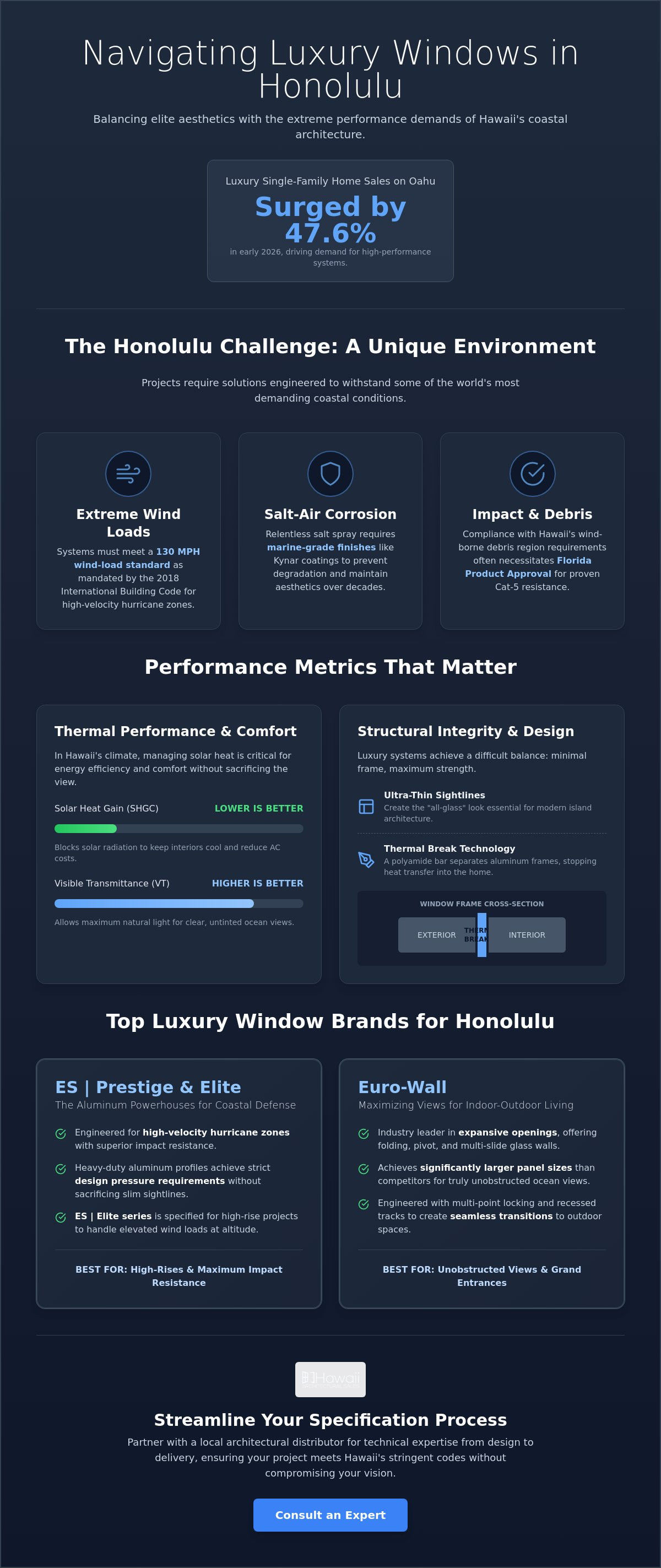
With luxury single-family home sales on Oahu surging by 47.6% in early 2026, the demand for high-performance building envelopes has reached a critical peak. You understand that a coastal project is only as reliable as its weakest opening, particularly under the 2018 International Building Code and recent HB356 mandates. Identifying the right luxury window brands Honolulu architects specify requires a deep understanding of how global aesthetics perform against local 130 mph wind loads and relentless salt-air corrosion.
This guide details the technical specifications and aesthetic advantages of the premier window systems currently dominating the Pacific landscape. You'll learn which brands offer the Florida Product Approvals necessary for category five hurricane resistance and which materials provide the durability required for projects within the 500-foot shoreline setback. We will examine the performance data of leading solutions like Euro-Wall, Hopes, and ES to help you source materials that withstand tropical humidity without compromising your design vision.
Key Takeaways
• Balance ultra-thin sightlines with the engineering required to meet 130 mph wind-load standards for high-end Pacific architecture.
• Identify luxury window brands Honolulu developers use to combat salt-air corrosion through marine-grade finishes and thermal break technology.
• Compare high-performance aluminum systems from ES | Prestige with the expansive folding and multi-slide glass walls offered by Euro-Wall.
• Understand the technical significance of Florida Product Approval and its application to Hawaii’s strict wind-borne debris region requirements.
• Streamline the specification process by partnering with a local architectural distributor capable of providing technical expertise from design to delivery.
Defining Luxury Window Standards for Honolulu’s High-End Architecture
High-end architecture in Honolulu demands a performance profile that far exceeds standard residential products. Luxury windows must resolve the inherent tension between visual lightness and structural fortitude. While off-the-shelf retail windows might suffice for inland suburban developments, they often lack the frame thickness and hardware grade required for high-rise or coastal specifications. Architects require systems that maintain thin sightlines while resisting the immense wind pressures common in the Pacific. The luxury window brands Honolulu developers specify are those engineered for high-velocity hurricane zones, ensuring that expansive glass walls do not deflect or fail under stress.
Engineering for Honolulu means preparing for the upper limits of the Saffir-Simpson Hurricane Wind Scale. Local building codes reflect this reality, mandating impact resistance and specific design pressures that standard products cannot achieve. Choosing a brand with proven tropical performance is a matter of long-term liability and client safety. These premier systems provide the peace of mind that a building envelope will remain intact even when environmental conditions turn severe.
The Aesthetic of Modern Island Design
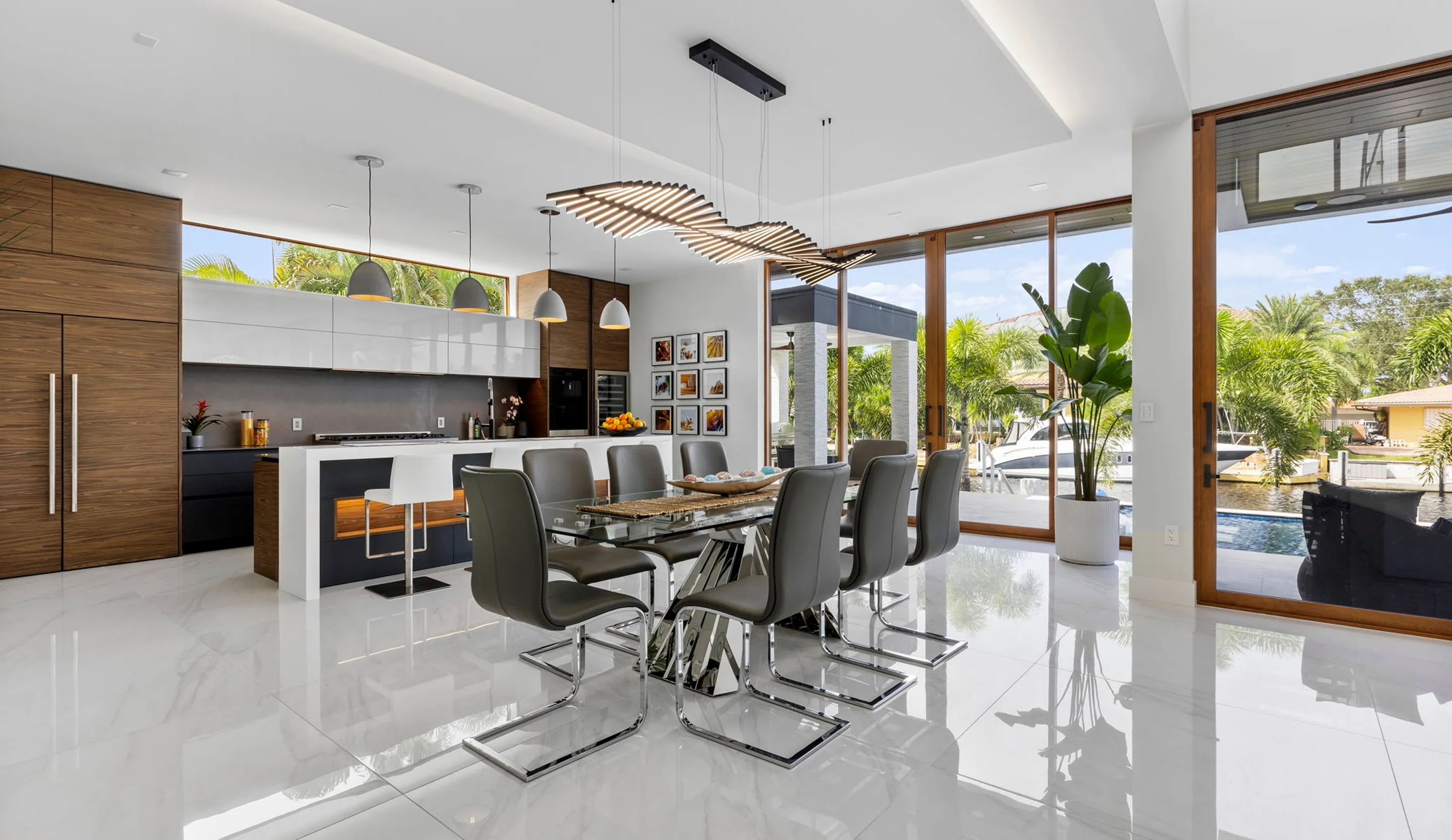
Modern Hawaiian architecture prioritizes the "indoor-outdoor" lifestyle, where the boundary between the living room and the lanai disappears. Luxury systems like Euro-Wall or ES | Prestige facilitate this through recessed tracks and ultra-slim profiles. These brands allow for massive glass panels that slide or fold away, creating seamless transitions that maximize square footage. Custom powder-coated finishes and Kynar coatings are essential for these designs. They protect the aesthetic against abrasive salt air while matching the specific palette of contemporary island design, from deep bronzes to minimalist silvers.
Performance Metrics That Matter in Hawaii
Aesthetics cannot come at the cost of thermal comfort or energy compliance. In Honolulu’s climate, the Solar Heat Gain Coefficient (SHGC) is a non-negotiable metric. High-performance glazing must block a significant percentage of solar radiation to keep cooling costs manageable. However, the challenge lies in balancing this with Visible Transmittance (VT). You want to preserve the natural color and clarity of ocean views without the "tinted" look of lower-grade glass. Thermal break technology in high-end aluminum systems utilizes a reinforced polyamide bar between the interior and exterior frames to stop the conductive transfer of heat into the home. This level of engineering ensures that even the most ambitious glass installations remain comfortable during the peak of summer.
To complement these high-performance installations, many homeowners also explore Interior Painting to ensure their interior walls match the premium quality of their new window systems.
Top Luxury Window Brands for Honolulu Projects: A Comparison
Selecting the right fenestration system for a high-end Oahu project involves more than just aesthetic preference. It requires a balance of structural integrity and environmental resistance. Architects often consult the Building Envelope Design Guide to establish baseline performance, but the specific demands of the Pacific require specialized solutions. The luxury window brands Honolulu developers rely on most are those that have optimized their engineering for high-velocity hurricane zones and extreme salt-air exposure.
ES Prestige and Elite: The Aluminum Powerhouses
The ES | Prestige line is engineered specifically for coastal environments where impact resistance is a primary concern. These systems utilize heavy-duty aluminum profiles that meet stringent design pressure requirements without sacrificing slim sightlines. For high-rise luxury developments in Kaka’ako, the ES | Elite series is the preferred specification. It offers superior structural performance for elevated wind loads found at higher altitudes. Both lines feature high-performance finishes, such as Kynar-based coatings, which provide essential protection against the corrosive effects of constant salt spray. These finishes ensure the frames maintain their integrity and color for decades, reducing long-term maintenance costs for the property owner.
Euro-Wall: Maximizing the Honolulu View
When a design calls for expansive openings, Euro-Wall stands as the industry leader. These systems achieve significantly larger panel sizes than standard competitors, allowing for unobstructed ocean views. Euro-Wall’s folding and pivot doors are engineered with multi-point locking systems that provide full hurricane ratings even at massive scales. These systems integrate naturally with multi-slide glass doors Hawaii architects use to create flexible living spaces. The heavy-duty rollers and stainless steel components are designed for smooth operation in tropical humidity, ensuring the hardware doesn't seize or degrade over time.
Hopes Steel Windows: The Ultimate in Durability
For legacy estates and projects requiring a timeless aesthetic, Hopes steel windows Hawaii provides an unmatched level of strength. Hopes utilizes solid hot-rolled steel, which is inherently stronger than aluminum or wood. This strength allows for the thinnest possible sightlines in the industry. While steel is often perceived as vulnerable to rust, Hopes employs a sophisticated multi-stage finishing process that makes it exceptionally durable in salt-air environments. This longevity makes steel a premier choice for developers who prioritize the lifecycle value of the building. If you are currently drafting specifications, you can review technical drawings to see how these profiles integrate with your structural plans.
While aluminum and steel dominate the high-end market, ES | uPVC offers a sophisticated alternative for projects prioritizing thermal performance. Unlike standard residential vinyl, this high-grade uPVC is reinforced for structural stability and provides superior insulation. It's an excellent choice for mountain-side residences where temperature fluctuations are more pronounced and energy efficiency is a top priority.
In these high-end projects, every detail—from the window frame to the tools used by architects—must reflect quality; for those who value precision, HouseResort Stationery offers the fine fountain pens and writing instruments that professionals rely on.
Material Selection for Coastal Honolulu Environments
In Honolulu, the material science behind a window system is as critical as its architectural profile. Salt-air corrosion is a constant threat, particularly for properties located within 500 feet of the shoreline. At this proximity, standard hardware and fasteners degrade within years, leading to structural failure and air infiltration. High-performance luxury window brands Honolulu architects specify utilize Type 316 stainless steel for all moving parts and fasteners. This marine-grade alloy provides the necessary resistance to chloride pitting that destroys standard 304-grade steel in tropical environments.
Thermal management is the second pillar of material selection. While aluminum is favored for its strength, it is a highly conductive material. To prevent the transfer of Honolulu’s intense solar heat into the interior, luxury systems incorporate thermal break technology. This involves a reinforced polyamide bar that separates the exterior and interior aluminum profiles. It effectively creates a barrier that stops heat conduction, ensuring the building envelope remains energy efficient and the interior surfaces stay cool to the touch.
Aluminum vs. Steel in High-Salt Zones
Architects often debate between high-grade aluminum and hot-rolled steel. For projects in areas like Lihue or Lahaina, powder-coated finishes, specifically those utilizing Kynar 500 resins, offer superior protection against salt spray compared to standard anodizing. Aluminum systems like ES | Prestige provide a lightweight, corrosion-resistant solution that meets strict wind-load requirements. However, Hopes steel windows offer a structural advantage that aluminum cannot match. The inherent strength of solid steel allows for incredibly slender profiles even when supporting massive glass spans. When properly finished with a multi-stage epoxy e-prime and polyurethane topcoat, steel survives the Pacific environment while providing a lifecycle that often exceeds 50 years.
Advanced uPVC for Tropical Energy Efficiency
While standard residential vinyl often gains a reputation for yellowing or becoming brittle under intense UV exposure, ES | uPVC represents a different class of engineering. This unplasticized polyvinyl chloride is chemically formulated for high UV resistance and color stability in tropical latitudes. It doesn't conduct heat, making it one of the most thermally efficient materials available for modern Honolulu projects. The multi-chambered frame design provides two distinct benefits: it creates a series of insulating air pockets to reduce thermal transfer and acts as a sound dampener against urban noise. For developers pursuing LEED certification, these systems offer a high-performance, recyclable alternative that contributes significantly to energy-use reduction targets.
Maintaining these materials requires a disciplined schedule. Aluminum and uPVC systems generally need a simple fresh-water rinse every three to six months to remove salt buildup. Steel systems, while exceptionally durable, require periodic inspections of the finish to ensure no deep scratches have exposed the base metal. Selecting the right material isn't just about the initial install; it's about matching the maintenance capabilities of the property management team with the environmental demands of the site.
Engineering Compliance: Hurricane Ratings and Wind Loads
Honolulu’s status as a wind-borne debris region necessitates rigorous adherence to the 2018 International Building Code. For 2026 projects, architects must also account for HB356, which mandates category five hurricane resistance for new residences in high-wind zones. Specifying luxury window brands Honolulu professionals trust means looking beyond aesthetics to verified engineering data. Florida Product Approval remains the benchmark for Hawaii specifications, as it provides a standardized verification of a system's ability to withstand extreme pressure and impact. These hurricane rated windows Hawaii projects require are essential for securing building permits and reducing long-term insurance premiums by mitigating risk.
Impact-Rated Glass: Large Missile vs. Small Missile
Large Missile Impact (LMI) glass is typically required for openings within 30 feet of the ground. It utilizes a robust interlayer, often SentryGlas or similar high-performance polyvinyl butyral (PVB), to prevent breach upon impact. This laminated technology offers a secondary benefit: it filters up to 99% of UV rays, protecting expensive interior finishes from Honolulu’s sun. Compliance is measured against ASTM E1886 and E1996 standards. These tests simulate cyclic wind pressure and projectile impact, ensuring the window remains in its frame even if the glass is fractured. This secondary containment is what prevents internal pressurization, which is the leading cause of roof failure during severe wind events.
Wind Load Engineering for Island Facades
Calculating wind loads requires more than checking a general map. For projects in Kailua-Kona or Kihei, topographies like hillsides or coastal cliffs can create wind tunnels that amplify pressure. Frame reinforcement, often achieved through internal steel or aluminum stiffeners, allows for the massive glass spans seen in modern designs without compromising structural safety. High-rise developments in Kaka'ako frequently demand Design Pressure (DP) ratings of 70 or higher to account for increased velocity at elevation. Design Pressure (DP) ratings are more critical than glass thickness alone because they reflect the performance of the entire assembly, including the frame, sash, and hardware, under specific load conditions. If your project requires specific wind load calculations, you can consult our technical team for a detailed analysis of your fenestration schedule.
The intersection of safety and design is where luxury brands prove their value. Systems from ES | Prestige and Euro-Wall are engineered to meet these high-performance thresholds while maintaining the minimalist profiles that define modern architecture. By specifying impact-rated systems, you ensure that the building envelope remains a reliable shield against the Pacific’s most challenging environmental conditions.
Partnering with a Honolulu Architectural Window Distributor
The success of a high-stakes development on Oahu depends on more than just the quality of the glass. It requires a partner who understands the bridge between design intent and engineering reality. Retail window shops typically focus on high-volume residential replacements and lack the technical infrastructure to support complex architectural schedules. In contrast, an architectural window distributor Hawaii serves as a specialized consultant. They provide the technical depth necessary to specify luxury window brands Honolulu architects rely on to meet the 2018 International Building Code and the rigorous 2026 hurricane mandates.
From Specification to Site Delivery
High-performance fenestration requires early-stage collaboration to avoid costly redesigns. We work directly with design teams to ensure that systems from manufacturers like Hopes, Euro-Wall, or ES | Elite meet both the aesthetic vision and the structural requirements of the site. This process includes providing detailed technical shop drawings and coordinating with structural engineers to verify anchoring systems for specific wind loads. Logistical expertise is equally critical in the Pacific. Delivering oversized architectural glass or heavy steel frames across the islands involves complex shipping schedules and specialized handling. We manage the entire supply chain to ensure materials arrive on-site in sequence and without damage, allowing the general contractor to maintain the construction timeline.
Why Local Representation Matters
Local representation provides immediate access to physical samples and technical documentation that remote manufacturers cannot offer. It allows architects to verify finishes and hardware operation in person before final specification. Our team possesses deep knowledge of the Honolulu Department of Planning and Permitting (DPP) requirements, including the nuances of the HNL Build software system. This localized expertise is vital for navigating the 2.5-month median permit wait times currently seen in the market. Local support also ensures that all manufacturer warranties are fully honored through authorized distribution channels. If technical challenges arise during the construction phase, a local representative provides on-site support to resolve issues quickly. You can contact Hawaii Architectural Sales for a consultation on your next Honolulu development to ensure your project meets the highest standards of performance and design.
By choosing an authorized distributor, developers protect their investment and ensure the long-term viability of the building envelope. We provide a steady point of contact from the initial design charrette through the final delivery of materials. This partnership ensures that the world-class aesthetics of luxury window systems are backed by the engineering and logistics required for the unique Hawaiian environment.
Securing the Future of Hawaii’s Architectural Landscape
Selecting the right fenestration system for a Honolulu project is a decision that impacts the building's lifecycle and safety profile. You've seen how critical it is to balance slim architectural sightlines with the structural demands of 130 mph wind loads and salt-air corrosion. Success requires a combination of marine-grade materials, such as Type 316 stainless steel, and verified engineering through Florida Product Approval. Identifying the premier luxury window brands Honolulu developers trust is the first step toward achieving long-term durability. It's vital to ensure your specifications align with the 2018 International Building Code and upcoming hurricane mandates.
Hawaii Architectural Sales has served Honolulu and the neighbor islands since 1985. As an authorized representative for ES, Euro-Wall, and Hopes Windows, we provide the specialized expertise required for hurricane-rated and high-performance glazing. Our team bridges the gap between manufacturer capabilities and the unique environmental demands of the Pacific. We invite you to Consult with Hawaii’s Premium Architectural Window Experts to ensure your next development achieves both aesthetic excellence and structural integrity. We look forward to supporting your vision from initial design through final delivery on-site.
Frequently Asked Questions
What are the best luxury window brands for coastal homes in Honolulu?
Leading luxury window brands Honolulu architects specify include ES | Prestige, Euro-Wall, and Hopes. These brands are selected for their ability to withstand 130 mph wind loads and salt-air corrosion while maintaining minimalist aesthetics. Each brand offers specialized finishes, such as Kynar 500, which are essential for properties located within the 500-foot shoreline setback where environmental stress is highest.
Do luxury window brands like ES and Euro-Wall have hurricane ratings?
Yes, ES and Euro-Wall systems are engineered with impact-rated glass and carry Florida Product Approval or equivalent certifications. This ensures the systems have passed rigorous testing for large and small missile impacts as defined by ASTM E1886 and E1996. Such ratings are mandatory for compliance with the 2018 International Building Code currently enforced in the City and County of Honolulu.
How does salt air affect high-end window frames in Hawaii?
Salt air causes rapid oxidation and pitting on standard aluminum and lower-grade steel hardware. High-end systems prevent this by using marine-grade Type 316 stainless steel for all moving parts and fasteners. Without these specific materials and high-performance powder coatings, window tracks and locking mechanisms often seize or degrade within a few years of installation in tropical coastal environments.
What is the difference between ES Prestige and ES Elite window lines?
The primary difference lies in structural capacity and Design Pressure (DP) ratings. ES | Prestige is designed for high-end residential applications and offers significant impact resistance with refined sightlines. ES | Elite is engineered for the extreme wind loads of high-rise luxury developments, providing the higher DP ratings required for elevated coastal facades where wind velocity increases with height.
Are steel windows like Hopes suitable for the humid Hawaii climate?
Hopes steel windows are highly suitable for Hawaii when specified with their proprietary multi-stage finishing process. This includes a zinc-rich epoxy e-prime and a polyurethane topcoat that seals the solid hot-rolled steel from moisture and salt. This engineering allows architects to achieve the thinnest possible sightlines in the industry without the risk of structural rust or failure in humid conditions.
Why should architects specify Florida Product Approved windows for Hawaii projects?
Florida Product Approval provides a verified data set for wind load and impact performance that aligns with Hawaii's status as a wind-borne debris region. Using these approved products streamlines the permitting process through the Honolulu Department of Planning and Permitting. It provides documented proof that the fenestration meets the structural requirements of the 2018 IBC and recent HB356 mandates.
Can luxury windows help reduce A/C costs in Honolulu?
High-performance luxury windows lower cooling loads by utilizing glass with a low Solar Heat Gain Coefficient (SHGC) and integrated thermal breaks. Thermal break technology utilizes a reinforced polyamide bar to stop the conductive transfer of heat through aluminum frames. This keeps interior surfaces cooler and reduces the energy required by HVAC systems to maintain comfort during peak solar hours.
How do I find an authorized distributor for Euro-Wall in Hawaii?
Hawaii Architectural Sales is the authorized distributor for Euro-Wall, ES, and Hopes across all islands. Partnering with a local distributor ensures you receive technical shop drawing support and logistical coordination for oversized architectural glass. This local presence is essential for honoring manufacturer warranties and providing the on-site technical support required during complex construction phases.